
If just the thought of going to the dentist makes your heart race, you're not alone. Fear of the dentist is very common and completely normal. There's no reason to be ashamed of it, and there are ways to overcome it.
Some studies compare the adrenaline rush during a dental visit to that of a skydive. Not everyone can handle free fall, and that’s exactly what we take seriously. Our practice in Kilchberg specializes in guiding people with dental anxiety step by step toward a relaxed treatment experience, using patience, understanding, and proven methods.
Where Does Fear Come From?

There are many reasons for this: negative experiences in childhood, unpleasant past treatments, stories from friends and family, or the feeling of being at the mercy of the dentist while in the dental chair. Noises, smells, or even the mere mention of the word “dentist” can heighten anxiety. This often creates a vicious cycle: out of fear, people avoid going to the dentist, their teeth deteriorate, and their fear of more extensive treatment grows.
How Dental Anxiety Manifests Itself
Anxiety often sets in long before the appointment, both mentally and physically. Many people who experience this are familiar with the signs:
- Emotional: Inner restlessness, nervousness, and tension—often triggered simply by the thought of the appointment—and even panic.
- Physical: Heart palpitations, increased heart rate, sweating, nausea, or trembling.
- In terms of behavior: Appointments are postponed and are often not kept until acute pain sets in.
That’s the vicious cycle: Fear leads to avoiding dental visits, which causes the teeth to deteriorate, the symptoms to worsen, and—along with them—the fear of needing more extensive treatment. We want to work with you to break this cycle.
The first step: a conversation without devices
Trust isn’t built in the dental chair—it’s built through conversation. That’s why we take the time—without any time pressure and without using any instruments—to discuss your fears and work together to find a solution. Many people who experience anxiety benefit from an introductory appointment where they can get to know the practice and the team, without any treatment at all.
Hypnosis: Relaxed, Not at the Mercy of Others
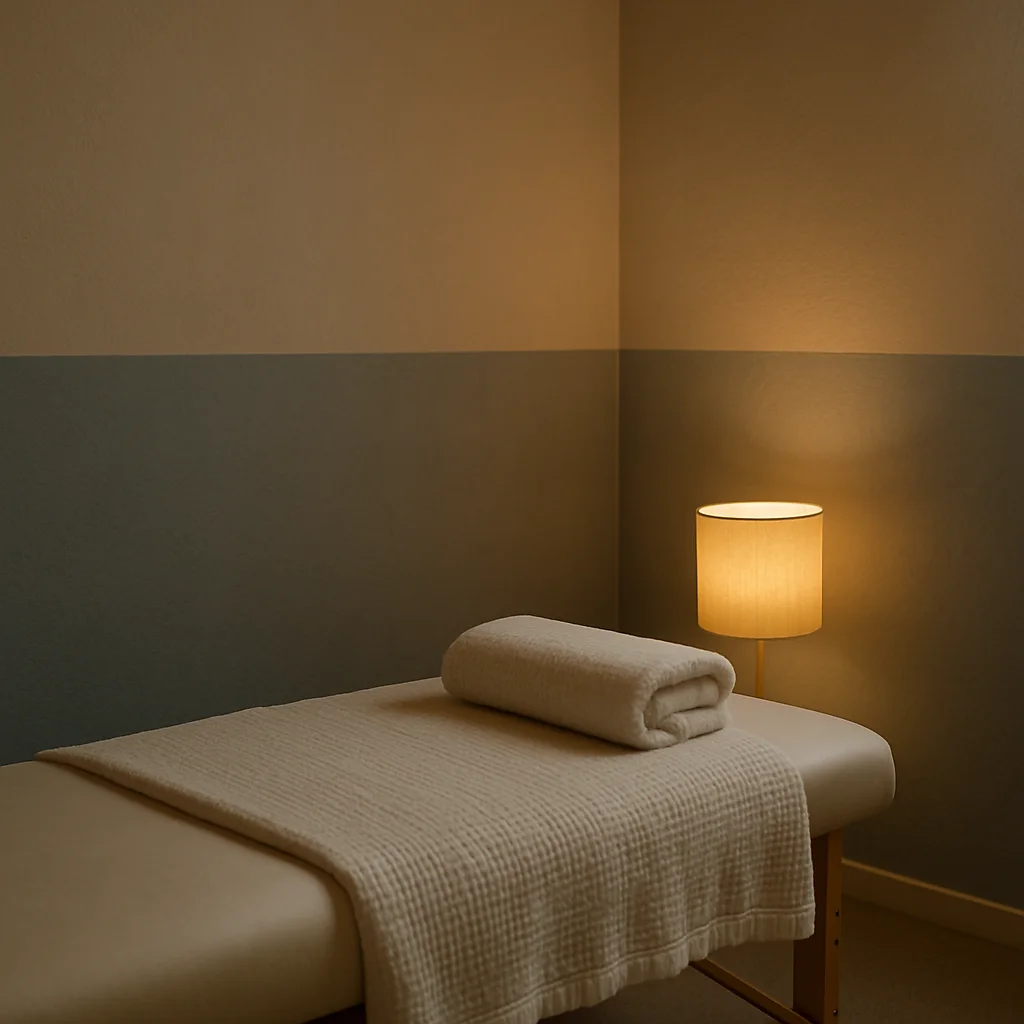
Medical hypnosis has nothing to do with stage hypnosis. It works only with your cooperation—never against your will. You remain in control at all times, are fully aware of everything that’s happening, and can stop the session yourself at any time. It’s the same trance-like state you experience when you’re deeply engrossed in a good book or a movie: you lose track of time and space.
Your teeth are, so to speak, "handed over" for repair while you are in a comfortable setting. After a long treatment, many people feel refreshed. Hypnosis not only helps with anxiety but also benefits people who grind their teeth, suffer from temporomandibular joint (TMJ) problems, or experience severe nausea.
Treatment Under Anesthesia
For people with severe anxiety or for extensive procedures, treatment under general anesthesia may be the right choice. You’ll fall asleep feeling relaxed, and we can complete several treatment steps in a single session. General anesthesia is administered by an experienced anesthesiologist on our team in accordance with the highest safety standards and can be extended over several hours if necessary. In most cases, one or two anesthesia sessions are required; experience has shown that subsequent checkups can then be completed without much difficulty.
Little Helpers for More Peace and Quiet
In addition, there are simple ways to help reduce tension: a gentle local anesthetic, in which an anesthetic cream is first applied to make the injection barely noticeable; calm breathing exercises; or listening to music through headphones during the treatment. We’ll tailor the combination that’s right for you to your individual needs.
Dr. Jens Tartsch's Practice, Kilchberg
About fifteen minutes from Zurich Central Station and right next to the Kilchberg train station. If you have a fear of the dentist, please feel free to call us. We’ll start with a calm conversation, and everything else will proceed at your own pace.



 German
  English
  German (Switzerland)
  Italian
  French